

The alarm goes off at 5:40. Snooze for 8 minutes… You lie there for a minute and do the math you do every morning: if you leave by 6:25 you beat the worst of it. You won't beat the worst of it. Maybe another podcast episode in rush hour.
Coffee in the dark. Keys. The garage door groans up and the street is already full of headlights, every house on the block emptying out at the same time, everyone pointed the same direction - towards the city.
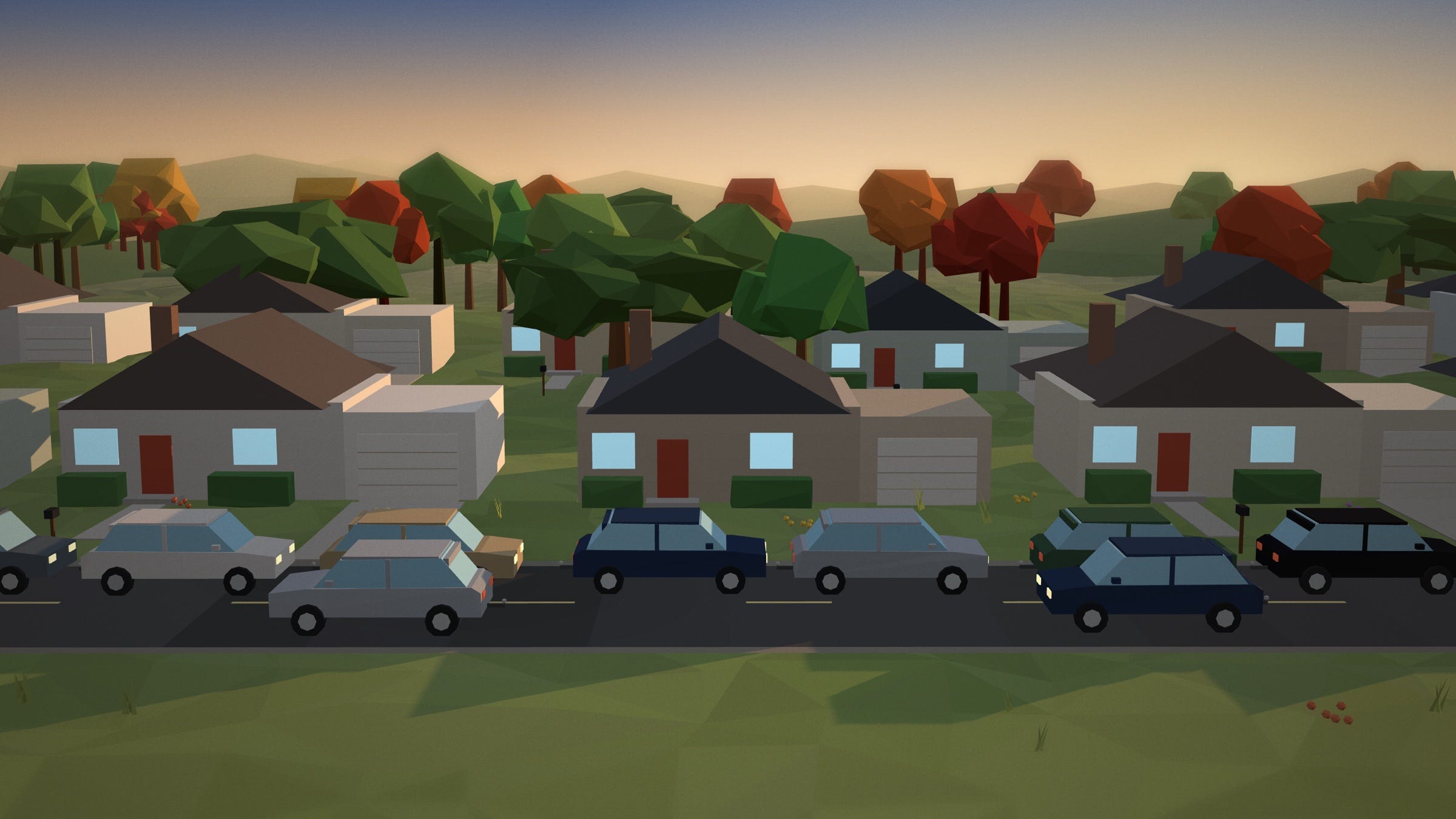
Fifty minutes later you badge in. The carpet is gray, the light is the same at 8 a.m. as it is at 4 p.m., and your calendar is a wall of colored blocks. A standup about the meeting. A meeting about the standup. A "quick sync" that is neither quick nor, as far as anyone can tell, synced.
Be honest about the day. Count the hours where you actually made something, fixed something, or moved anything forward. For most of us it's a sliver. The rest is waiting: waiting in traffic, waiting for the meeting to start, waiting for the meeting to end, waiting for Friday, waiting for the vacation, waiting for retirement.
That's a lot of a life to spend waiting.
Here's the thing nobody puts on the calendar. While you're in that conference room, a lot of people have already left. Not dramatically. They didn't storm out. They just did the math differently and walked out the side door, and they're out there right now.
The canyon
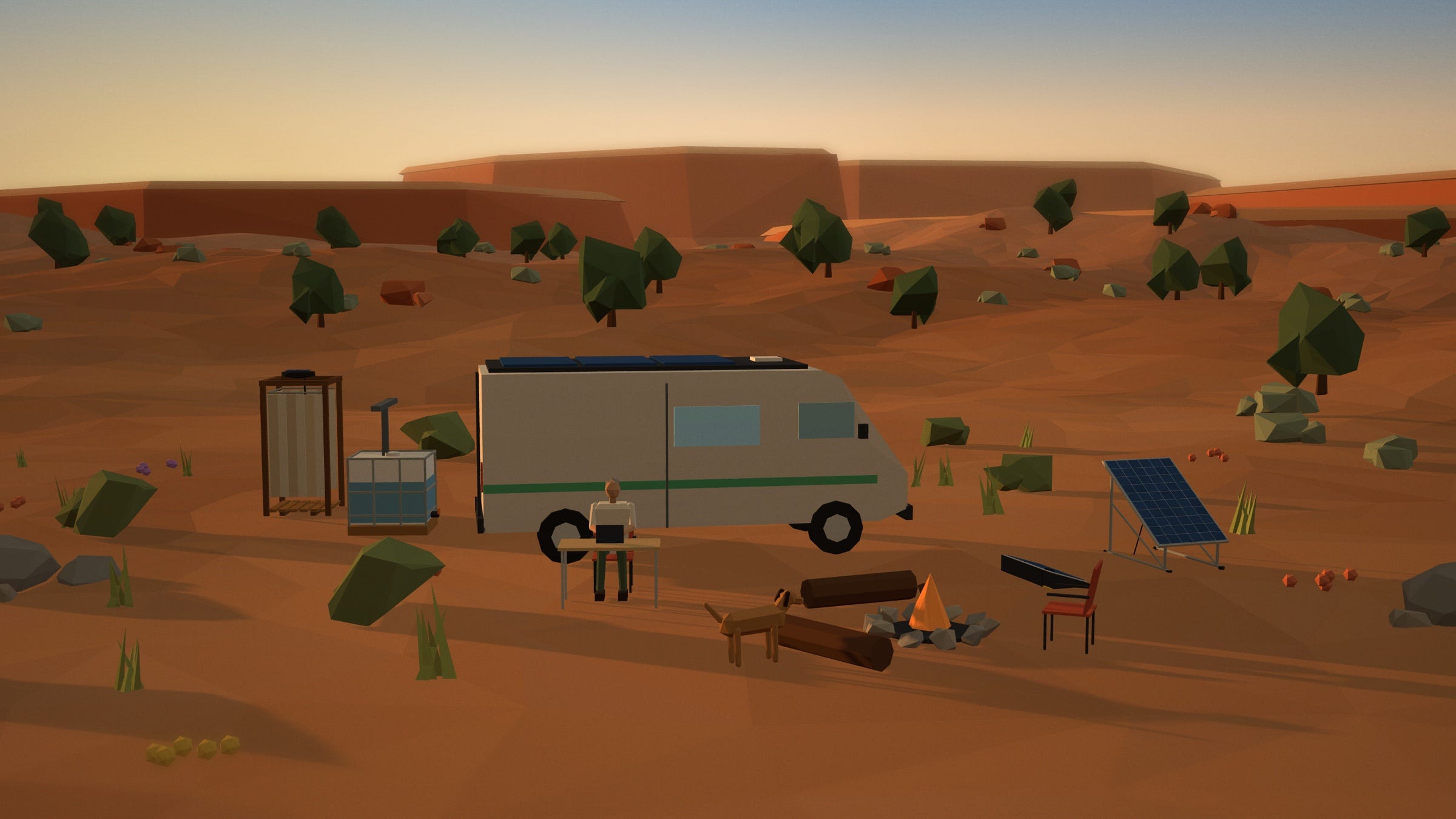
Somewhere in southern Utah, the sun hits a red rock wall and the light comes through the windshield of a camper van. She wakes up without an alarm because she doesn't need one.
She used to design checkout pages for a company that sold mattresses. Now she does freelance work twenty hours a week, off a solar panel and a hotspot, at a folding table pointed at a view that people fly across the world to see. Her shower is a bag of water warmed by the sun. Her commute is putting the kettle on.
She makes about a third of what she used to. She says she's never felt richer.
The firs
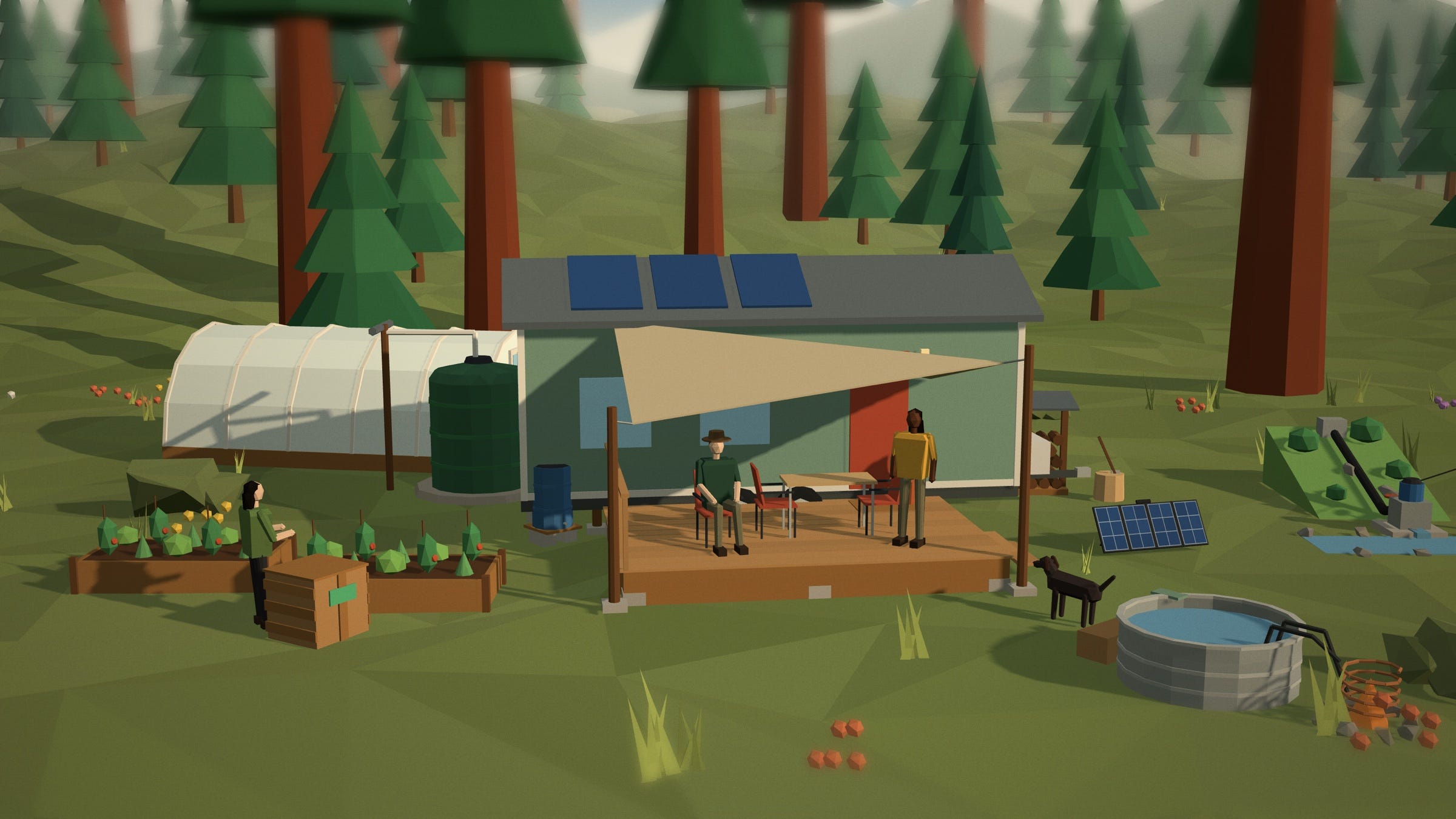
Up in the Pacific Northwest, a couple sold the four-bedroom house in the subdivision. They kept the dog, the cast iron, and each other.
The tiny house sits on a trailer under the big trees, with a deck he built himself and a rain tank that fills all winter. He does carpentry three days a week. She teaches online two mornings a week and spends the rest of the time in the garden. There's no mortgage. There's a creek you can hear from bed.
When people ask what they do for a living, they've started answering the question literally.
The prairie
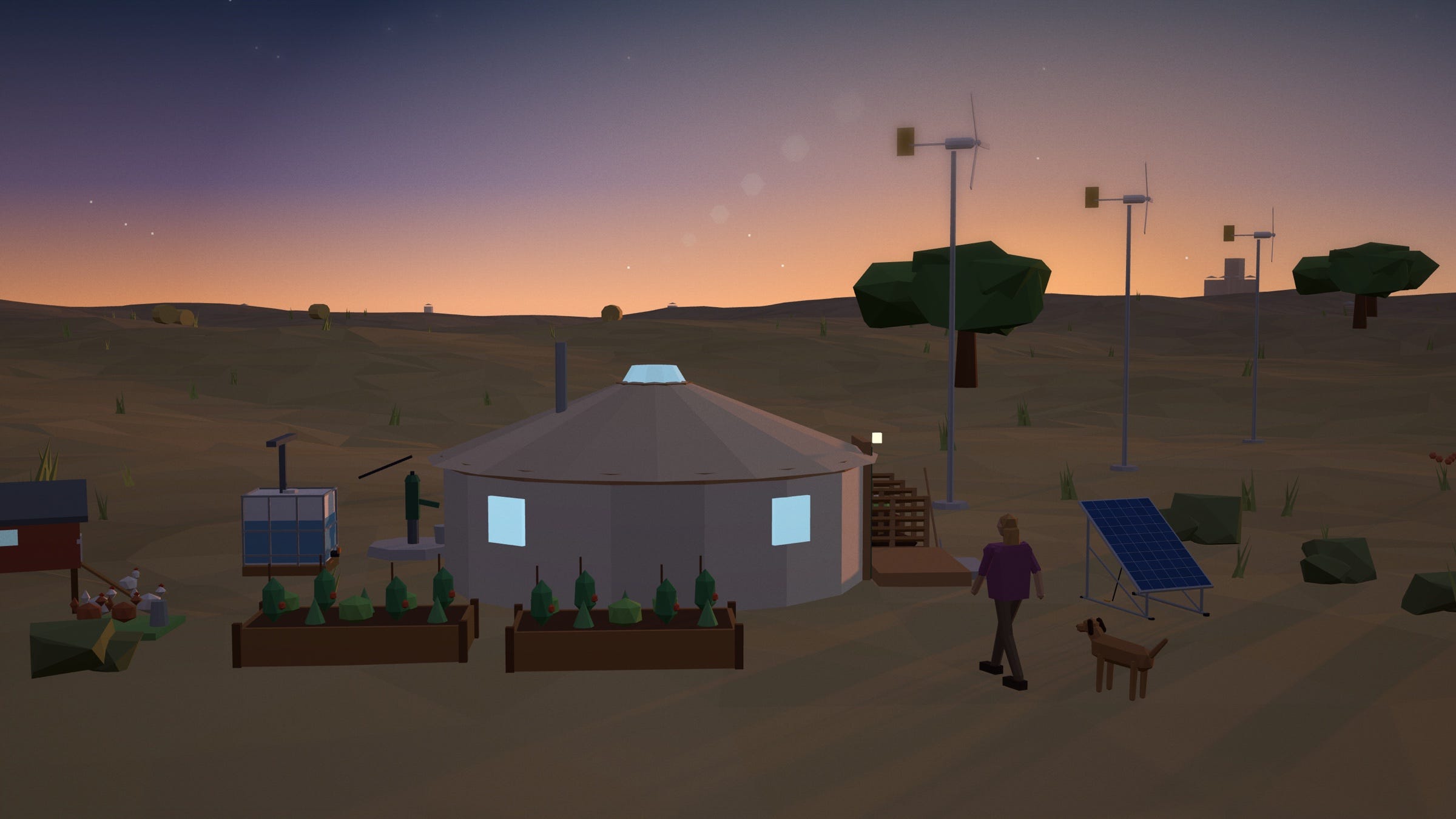
Out on the plains, dusk comes on slow. The wind turbines turn, the chickens put themselves to bed, and the yurt's windows go gold.
The woman who lives here spent nineteen years in middle management. She can still tell you the exact moment she decided: sitting in a parking garage at 7:15 p.m., engine running, too tired to drive home and not wanting to. Now she grows most of what she eats and works part-time at the feed store in town, mostly because she likes the people.
At night there's no glow on the horizon. Just stars, all the way down to the grass.
The lake
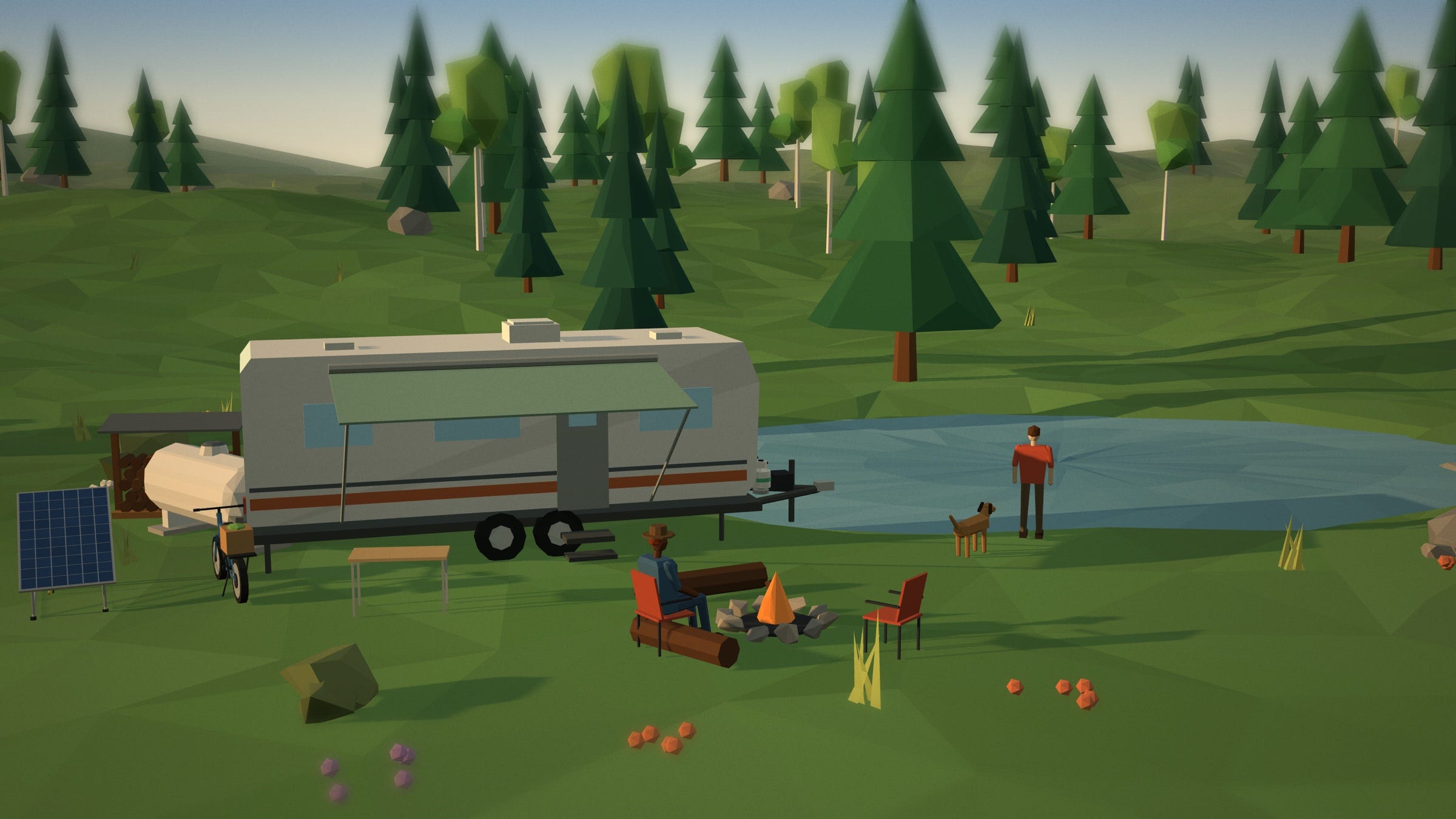
Up north, an old travel trailer is parked at the edge of a lake for the season. Its owner hosts at a campground from May to October and runs a ski lift from December to March. In between, he goes wherever looks good.
He's forty-one. He has an e-bike with a milk crate on the back, two camp chairs, and a firepit he builds every night whether or not anyone stops by. Usually somebody stops by.
He works maybe half the year. The other half he calls "the part I actually signed up for."
The workshop
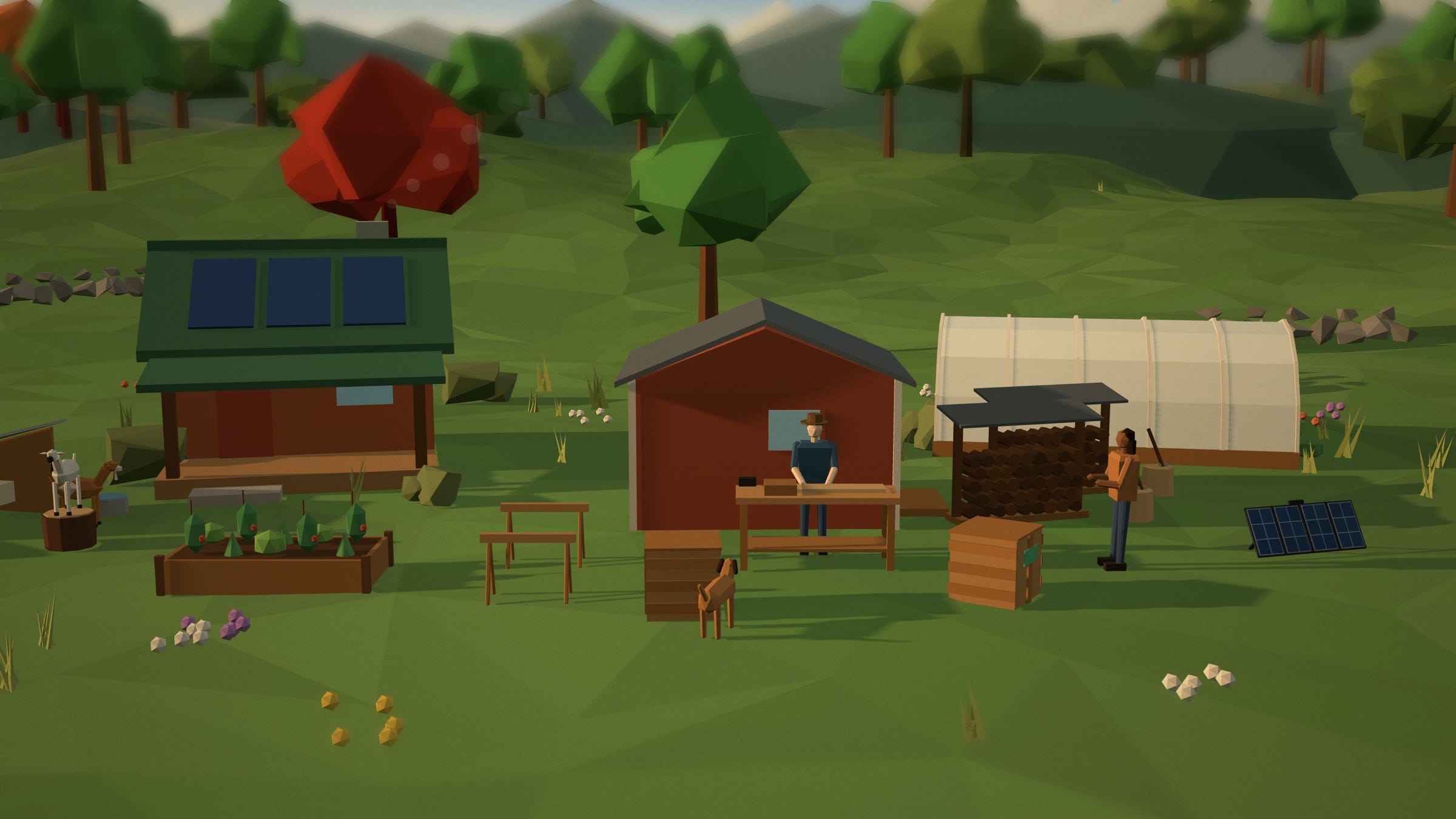
In a hardwood hollow back east, a man who used to be an accountant spends his mornings in a red workshop that smells like cherry and pine. He builds tables and chairs and the occasional cradle. He splits his own firewood. The goats supervise.
He earns less than he did. Some months a lot less. On paper, he is worth far less money than he was five years ago.
But his hands know things now. He's tired at the end of the day in the good way, the way where you sleep hard and wake up wanting to get back to it. He can point to every single thing he made this year.
The fire
Here's the part that surprises people: the fringe isn't lonely.
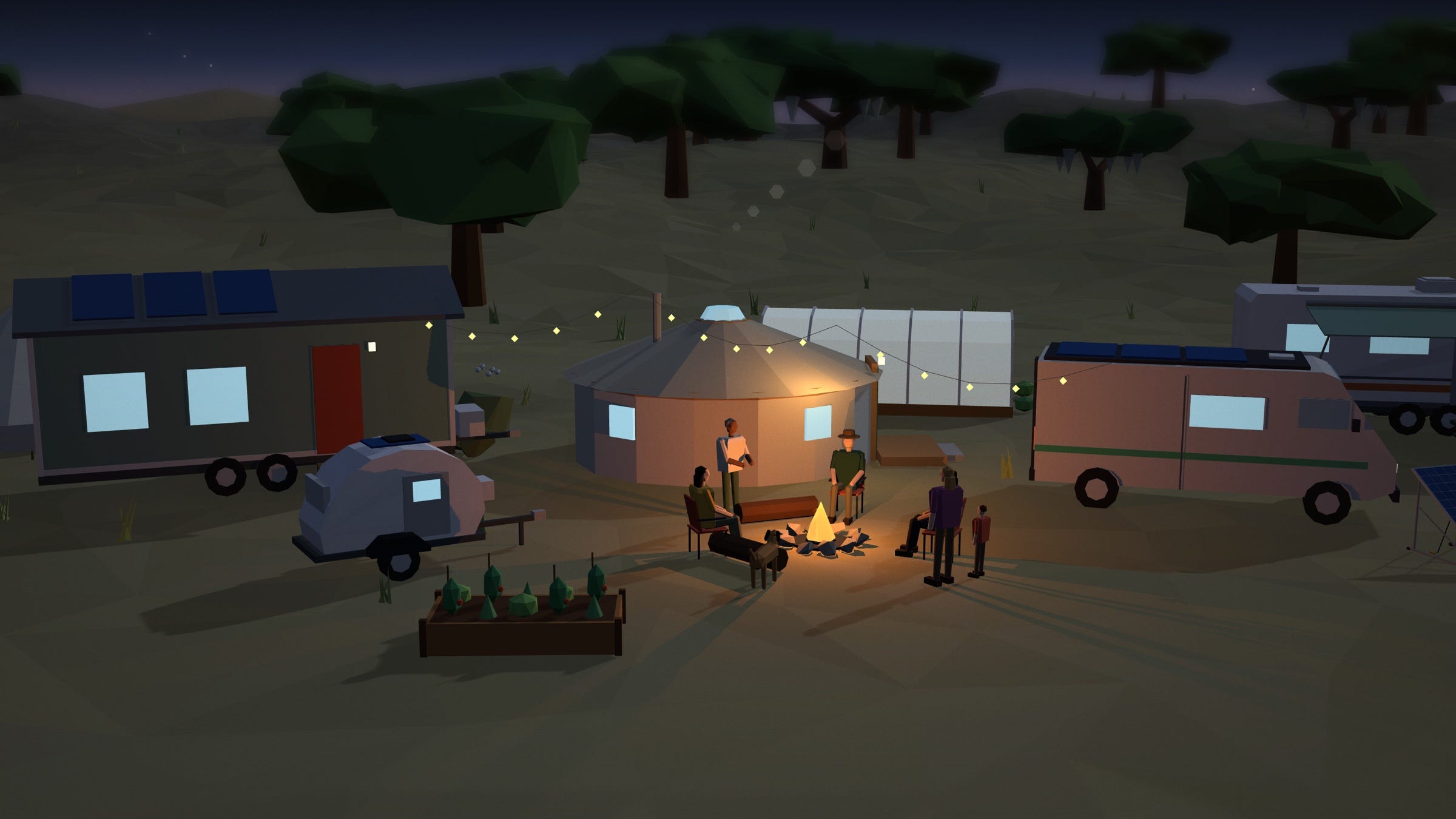
Spend a few nights out there and you'll find them. A yurt, a tiny house, a van, a trailer, a bell tent, all pulled up around one fire. Somebody brought eggs. Somebody fixed somebody's water pump. Somebody's kid is asleep in a camp chair. Nobody is checking their calendar, because nobody has one worth checking.
They aren't hiding from the world. They're building a smaller, slower, better version of it, one lot at a time.
The side door
None of this means you have to sell everything tomorrow. Most of the people in these stories didn't jump. They stepped. They paid off one thing, then another. They learned to fix one thing, then another. They cut one day a week, then two. They spent a weekend in a yurt and couldn't stop thinking about it.
The side door is real, and it's open, and it's closer than it looks from inside a cubicle.
You might be worth less money out here. You'll also be up before the alarm, outside before the coffee's cool, and doing something you chose.
If you want to see what this kind of life could look like where you live, we've been mapping it at altordo.com.
See you out there.
-AO
Post the YouTube videos here too